Play & Learning
From bedtime to playtime, your child is always learning.
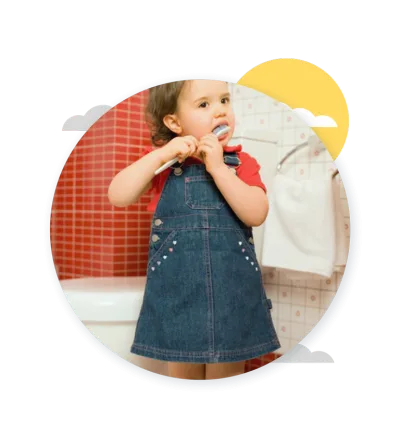
Every child — including yours — grows, learns and develops in a unique way. When a child’s development doesn’t follow the typical path, families have many resources available to get support — and get it early, which is the best time.
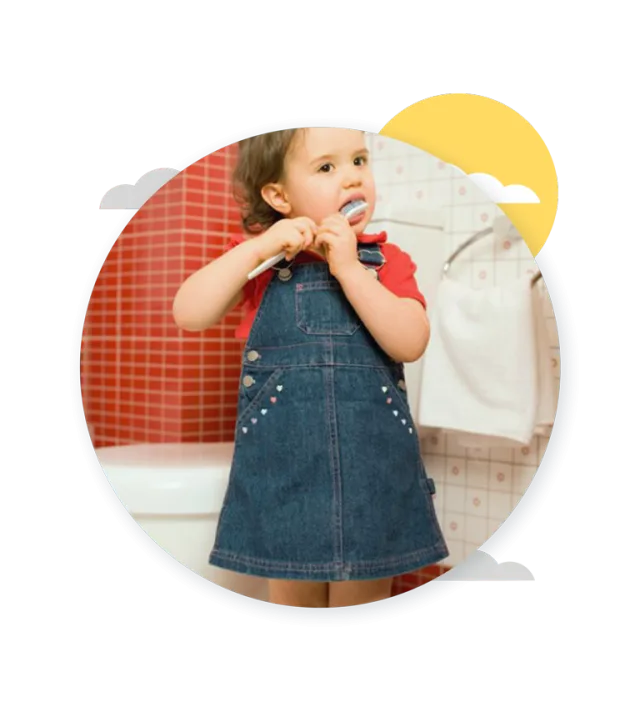
Choose your child's age to explore more about your child's learning and play!


Your 1-Year-Old

Your 2-Year-Old

Your 3-Year-Old

Your Pre-Kindergartener

Your Kindergartener
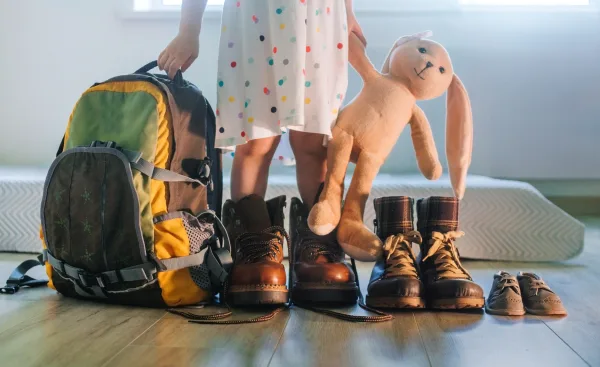
Kindergarten is a time of transition and growth, from backpacks to workbooks to school buses and more.

Your School-Ager (6-10)

Your Young Adolescent (Ages 11-14)
Between ages 11 and 14, adolescents experience major changes in how they think, connect with others and understand themselves.
Choose a subject to explore more about your child's learning and play!

Creative Arts
Creative arts — visual art, music, movement and dramatic play — support fine motor, emotional, cognitive, language and social development all at once.

Early Literacy Hub
Early literacy begins at birth, with every lullaby, conversation and read-aloud laying neural groundwork for reading years later.

Math
Math begins in infancy. Babies compare amounts, track patterns and explore space well before they can count.

Physical Education
Motor development moves from head to toe and from the center to the extremities, though the pace of that progression varies widely among typically developing children.

Science
Scientific thinking — watching, questioning, guessing, testing — starts in infancy. Kids don’t need to be taught it, just given room to keep doing it.

Social-Emotional
Managing emotions, building friendships and reading others’ feelings are skills that develop gradually across childhood. Consistent practice matters more than any single reaction.

Social Studies
Social studies begins at home. Learning about family history, neighborhoods and community rules builds a strong foundation long before children enter a classroom.

STEM
STEM thinking grows through play as children build, investigate, experiment and solve everyday problems.

Play-Based Learning
Play-based learning gives children opportunities to build cognitive, social, emotional and physical skills through active exploration.